
Details
Overview
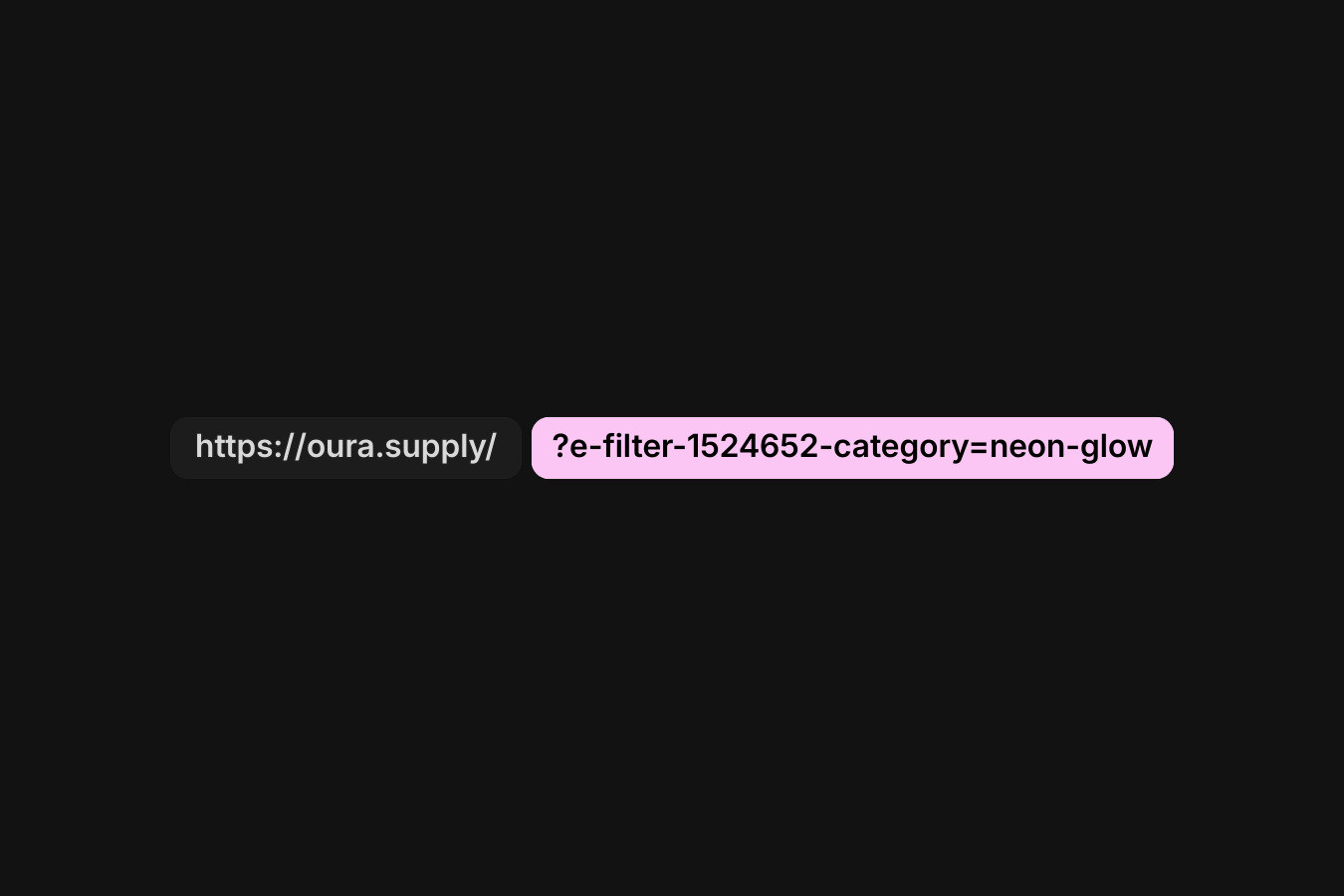
Elementor adds e-filter-<filter-slug> parameters to the URL when taxonomy filters are used. This code prevents that without affecting how the filters work.
Setup
Add External Scripts
Copy & paste the scripts before the </body> tag of your project. If you added them before for another setup, skip this step.
Add HTML
Place the code in an HTML widget or add it through Elementor → Custom Code (before the closing </body> tag) either globally or only on selected pages.
Add custom CSS
Paste the code through the page or site settings, or add it via Elementor → Custom Code (before </body>) for broader use.
Add custom Javascript
Paste the script through Elementor → Custom Code (set to load after </body>) for site-wide or page-specific loading.
(() => {
  document.addEventListener("DOMContentLoaded", () => {
    document.addEventListener("click", event => {
      const button = event.target.closest(".e-filter-item");
      if (!button) return;

      const filter = button.closest(".e-filter");
      if (!filter) return;

      const url = new URL(window.location.href);
      const params = url.searchParams;
      let changed = false;

      Array.from(params.keys()).forEach(key => {
        if (key.startsWith("e-filter-")) {
          params.delete(key);
          changed = true;
        }
      });

      const cleanUrl = changed ? url.toString() : window.location.href;

      filter.dataset.baseUrl = cleanUrl;

      if (changed) {
        setTimeout(() => {
          history.replaceState({}, "", cleanUrl);
        }, 0);
      }
    });
  });
})();Add custom PHP
Place the PHP snippet inside your theme’s functions.php or using any code snippet to enable logic.
Publish and preview live
Some solutions only work on the live site. Always publish and test after each change, as results may not appear in the editor.